
John T arrived at the coal mine early that Saturday morning. The mine should have been secured the day before. Failure to do so would result in a deadly gas build-up in the mine. This was especially dangerous with the relatively new invention of the carbide lamps the miners wore on their heads. Carbide lamps, or acetylene gas lamps, use calcium carbide and water to make a chemical reaction. This reaction would keep a flame going for light in the dark mines. John T struck the match to light his helmet. As he did, he thought back on how he came to be in Jenny Lind, Arkansas.
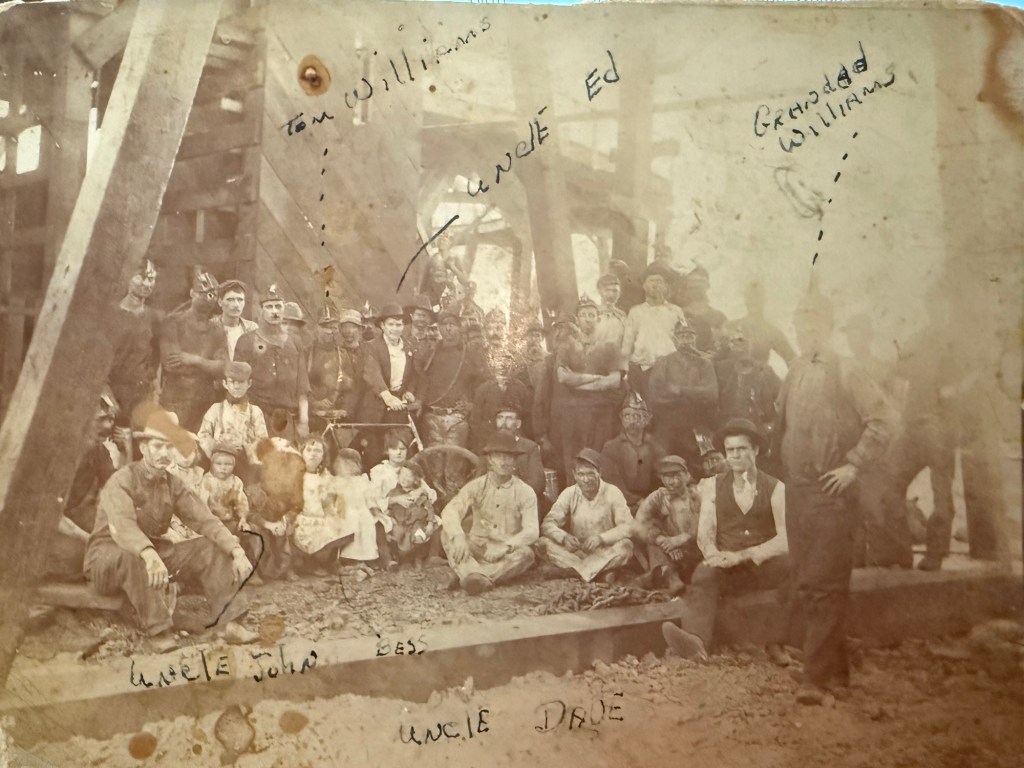
John T and Annie had come to America in the early 1880s from Cardiff, Wales. He left coal mining in the Old World to mine the coal of the New World. Whether it was a better opportunity or just desperation, he and Annie never said. Their son Thomas had his first birthday at sea on the Atlantic Ocean. The family eventually settled in Illinois and the work of mining coal resumed for John T. After a decade, John T took a job for the Western Coal and Mining Company. With the new job, he moved his family to Jenny Lind, Arkansas. His sons worked the coal mines with him. Thomas, now 19, and Edward, born in Illinois and 16 years old, were coal miners just like their father.
Western Coal and Mining Company was an invention of millionaire Jay Gould. Gould was notorious for his role in the Black Friday Panic of September 1869. One consequence of his manipulations was that it bankrupted former President Ulysses S. Grant. Grant died penniless. He finished his memoirs two weeks before his death, living in a donated home. The success of his book subsequently restored his family fortune.
With the discovery of coal in Arkansas, Gould had his company build a railroad there and mine the coal. No one knows for sure how the town of Jenny Lind, Arkansas got its name. Maybe Jay Gould’s daughter named the town after a famous Swedish opera singer named Jenny Lind. Maybe a Swedish family living in the area named the town after their daughter. Regardless of the name’s origin, one of the coal mines there was the infamous mine #18. (Mary Ann Gamble, Southwest Arkansas Times).
As John T walked home from the coal mine that day, Annie was waiting for him as she always did. But today, something was different. As he began to speak to her, a loud noise drowned out his hello. The bright lights made him unable to see her hair in the sunshine.
You see, John T never made it home that day. The moment that match touched his carbide lamp that morning, the gas in the mine exploded.
You can argue that John T died in Mine #18. However, seeing that the blast that killed him blew him fifty feet, that can be disputed. Whatever truly went through John T’s mind that day, he died in Jenny Lind, Arkansas. A Welsh coal miner who had run out of time. The vent was supposed to be closed. If he had known the vent was left open, he would have never lit his miner’s lamp. When the match struck the carbide light, the resulting explosion blew him fifty feet.
Does it matter what mine you are in when the explosion happens? Or what country either? He would not be buried with his fathers or in his home country of Wales. Annie got the news that a miner’s wife never wants to hear, but is never totally surprised.
Two months later, the Wright brothers made the first flight of the airplane. It was the beginning of a new age of wonder. But that didn’t matter to a Welsh coal miner, who went under the earth for the last time.
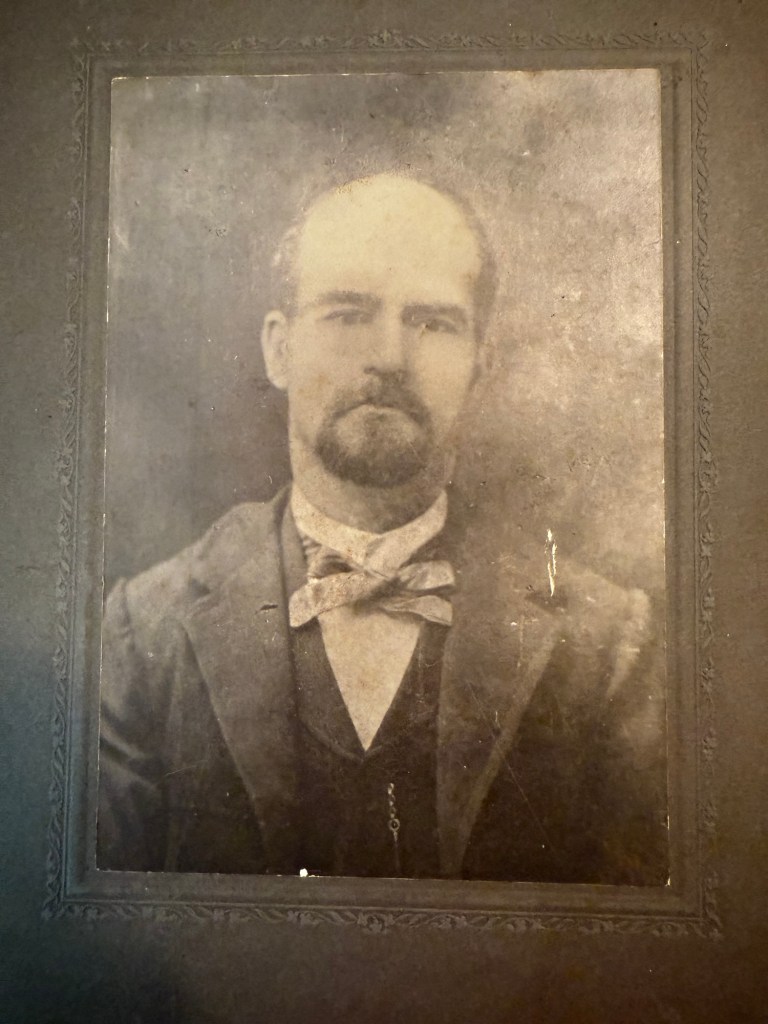
John T. Williams. Welshman turned American; coal miner; my great, great grandfather.
September 26, 1903 10:30 AM
Welsh Sympathy: Dw i’n drist iawn i glywed am dy golled (I’m very sad to hear about your loss).

 Michael R Spradlin